
Menopause in the workplace: The hidden costs of ignoring hormonal health
Category: Health & Welfare Benefits
Oct
09
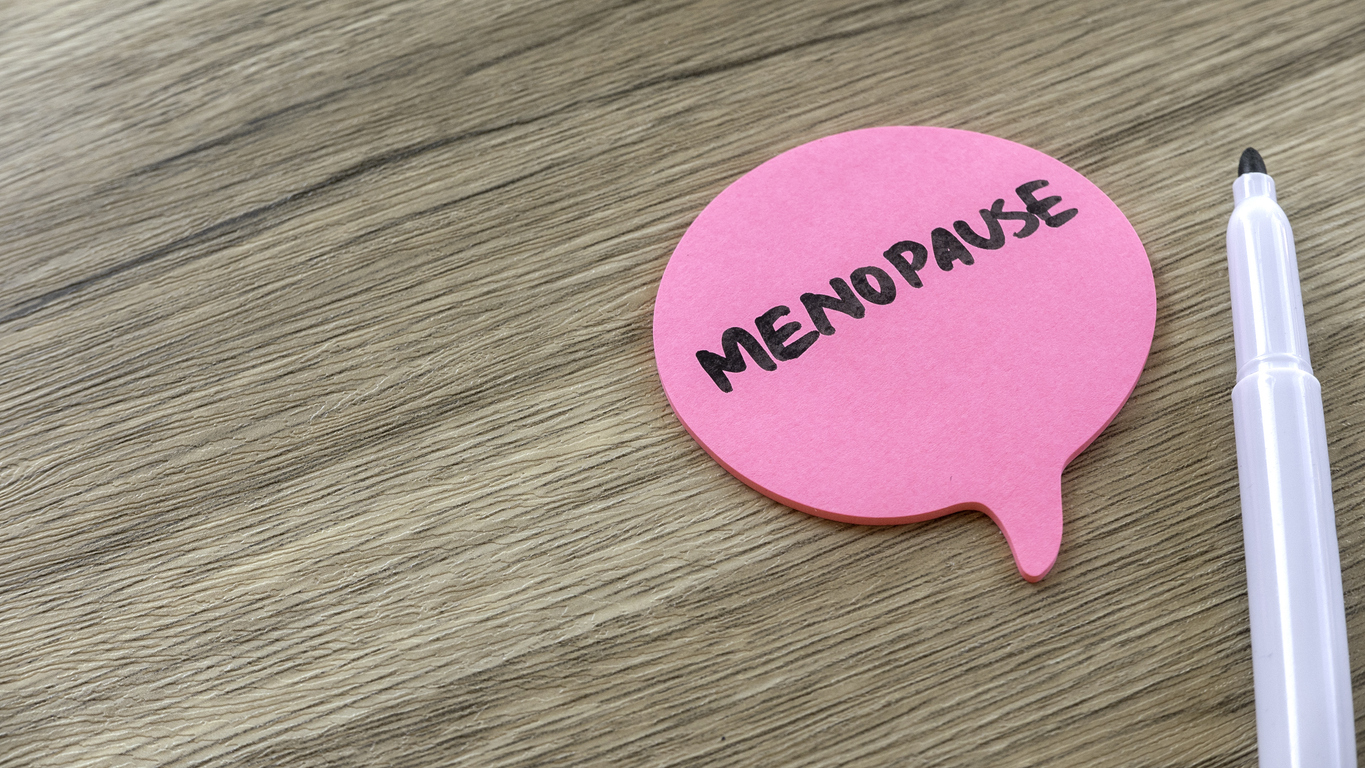 Menopause is a natural transition that affects nearly all women. The more we learn about this life change, the more we understand how much it impacts people’s personal and professional lives. Based on recent research, companies must understand menopause better to improve the health of their employees and the bottom line.
What exactly is menopause?
Menopause is defined as 12 months after a woman's last menstrual cycle. While the starting point is known, the length of this hormonal transition — and the severity of symptoms — varies from person to person.
 Financial wellness has an immense impact on an individual’s health, life, and work. Because of this, employees are looking to their employer for help managing their
  Artificial intelligence (AI) is no longer a futuristic concept; it’s a reality. It's becoming a practical tool for HR teams when strategizing compliance and compensation. For professionals navigating pay transparency laws, shifting employee expectations and tight labor markets, AI offers both opportunities and questions.
 In the world of Leave of Absence (LOA) administration, each employer must decide whether to insource or outsource their LOA case management process. There are pros and cons for both strategies and even when outsourcing, there will be oversight. This article attempts to explore the factors an employer may consider when deciding on their LOA administration strategy.